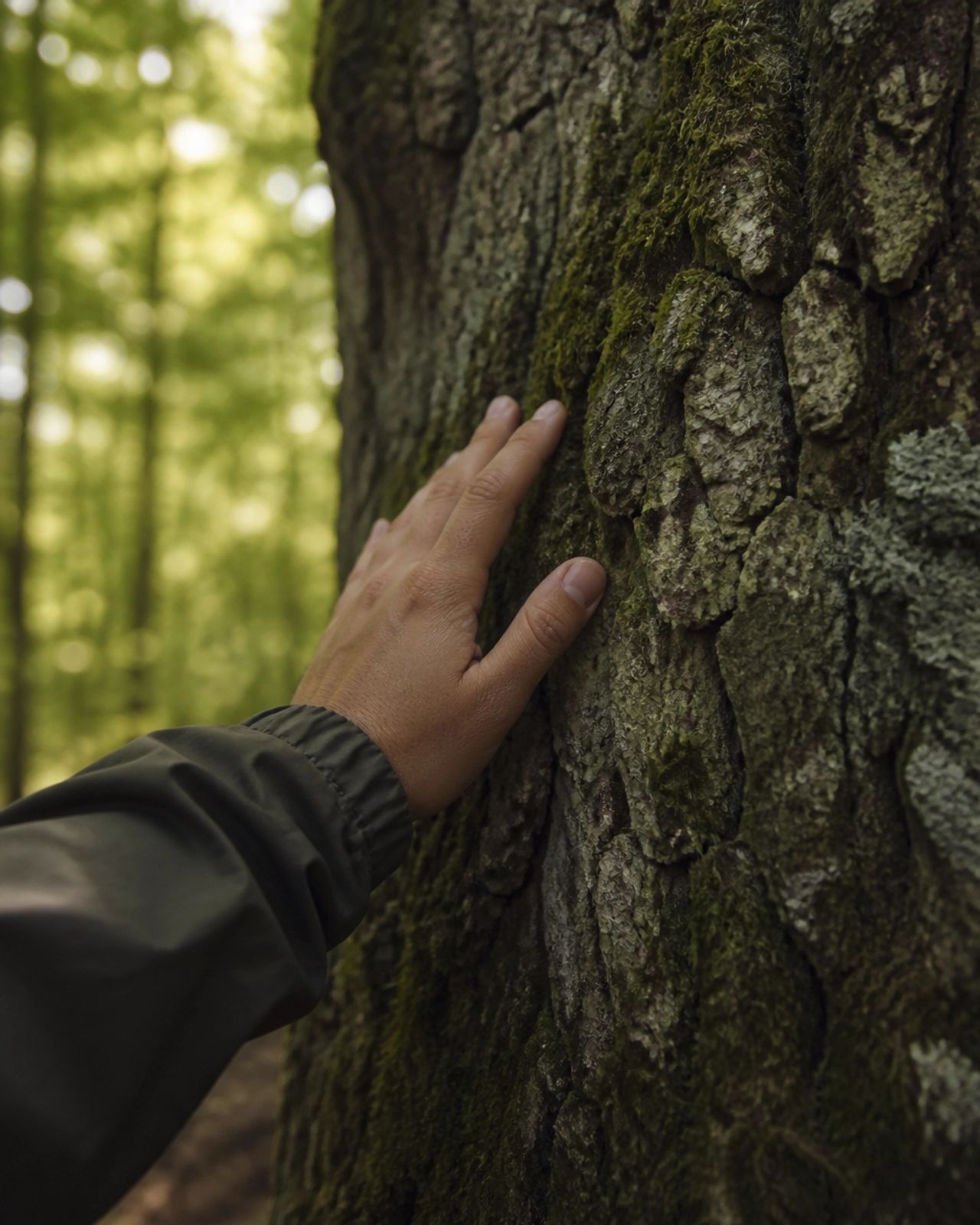
Not Strength, but Endurance
We often confuse resilience with toughness.
We imagine the resilient leader as someone who is bulletproof, someone who can absorb blow after blow without ever flinching. But toughness is about resistance. It is about pushing back. Resilience is something different. It is the ability to be moved, to be bent by the wind, and yet to remain rooted in the soil of our own values.
Resilience is a rhythmic endurance.
It is the discipline of noticing when we are beginning to unravel. It is the habit of staying grounded when the ground beneath us feels like shifting sand. We must learn to distinguish between the noise that requires our attention and the noise that only seeks to drown us out.
Consider the concept of mental hygiene.
We understand the hygiene of the body. We wash our hands; we brush our teeth; we tend to the physical wounds that might otherwise fester. Yet, we often allow our minds to become cluttered with the grime of unresolved conflict, the dust of comparison, and the open wounds of unacknowledged grief.
Not a one-time fix, but a daily rhythm.
For the leader, mental hygiene means:
- Noticing the tightness in the chest before the angry word is spoken.
- Naming the fear that hides behind the mask of "busyness."
- Guarding the gates of our attention against the trivial and the cruel.
- Creating spaces of silence where the soul can catch up with the body.
If we do not tend to our mental hygiene, we become reactive. We become small. We lead from a place of deficit rather than a place of presence. In my book, The Suicide Conversation, I speak about the importance of being fully present with those who are in pain. But we cannot be present for others if we are drowning in the unwashed noise of our own internal lives.
We must learn the art of the "stay."
The Power of the Stay
Leadership is often framed as a series of actions: deciding, directing, doing. But the most powerful act of leadership is often the quietest. It is the act of staying.
Staying in the room when the conversation becomes uncomfortable.
Staying in the tension when there are no easy answers.
Staying with the person who is unraveling in front of us.
In a loud world, we are constantly tempted to look away. We look at our phones. We look at our calendars. We look at our "solutions" because looking at the pain is too heavy a burden to carry. But resilience is built in the staying. It is built when we decide that we will not flee from the darkness, but that we will sit within it until our eyes adjust to the light.
Presence is a life-saving tool.
It is not about having the perfect word. It is not about providing the expert solution. It is about the brutal act of love that says, "I see you. I am here. I am not leaving."
This requires a profound level of emotional clarity. We cannot offer a steady hand if our own hands are shaking with suppressed anxiety. We cannot offer a safe harbor if we have not first found peace within our own borders. We build resilience so that we can be the people who stay.
Not for the sake of our own reputation, but for the sake of the connection.
Cultivating Honest Communities
The myth of the solitary leader is a dangerous one.
We were never meant to carry the world alone. When we pretend that we are fine, we create a culture where everyone else must also pretend they are fine. We build a house of cards that collapses at the first sign of a real storm.
Resilience is a collective responsibility.
We need honest, safe communities where struggle is not seen as a rebellion against the mission, but as a natural part of the human experience. We need spaces where leaders can be human, where we can admit to the fatigue, and where we can find the strength to continue.
Connection is the antidote to the noise.
When the world becomes too loud, we return to the basics of human connection. We return to the small circles. We return to the dinner tables and the quiet walks and the honest conversations. We find resilience in the shared weight, in the understanding that if one of us begins to slip, the others are there to hold the line.
Fragments of a resilient life:
- A morning spent in silence before the screen is opened.
- A direct question asked with kindness.
- A walk among trees that have stood for a hundred years.
- A commitment to truth, even when it is heavy.
- A refusal to believe the lie that we are alone.
The Path Forward
As you step back into the noise of your world, remember that your resilience is not a gift you are born with, but a rhythm you must learn to walk.
It is a quiet, persistent choice.
Choose to notice. Choose to stay. Choose to breathe through the static until the clarity returns. The people you lead do not need a leader who is perfect. They need a leader who is present. They need a leader who has done the hard work of building a root system deep enough to survive the storm.
Look at the people around you today.
Notice the one who is quieter than usual. Notice the one who is trying too hard to be "fine." Notice the weight they are carrying. And then, choose to stay.
Not as an expert. Not as a fixer.
But as a fellow traveler who knows that while the world is indeed loud, the power of a quiet, resilient presence is louder still.
Leave a Reply