
The noise is deafening.
We wake to it. We work through it. We sleep with its blue light humming in our ears. Information is now a commodity, cheaper than the air we breathe and twice as thick. We have more data than we have wisdom. We have more connections than we have community. We have more answers than we have truth.
In the executive suites and boardroom halls, the conversation has shifted. It is a conversation of speed. It is a conversation of efficiency. It is a conversation of how quickly we can automate the "human element" to make room for the algorithm. We are told that AI will write our strategies, predict our markets, and curate our culture.
But as the digital flood rises, the ground of genuine human connection is shrinking.
We are quietly drowning in an ocean of efficient, automated noise.
In this landscape of total automation, the ultimate competitive advantage will not be your ability to prompt a machine. It will not be your mastery of the latest model. It will not be your capacity to process information at the speed of silicon.
The new competitive advantage is presence.
It is the ability to be fully, uncompromisingly there. It is the refusal to look away when things get heavy. It is the commitment to staying in the room when the data fails and the human spirit begins to unravel.
The Scarcity of the Real
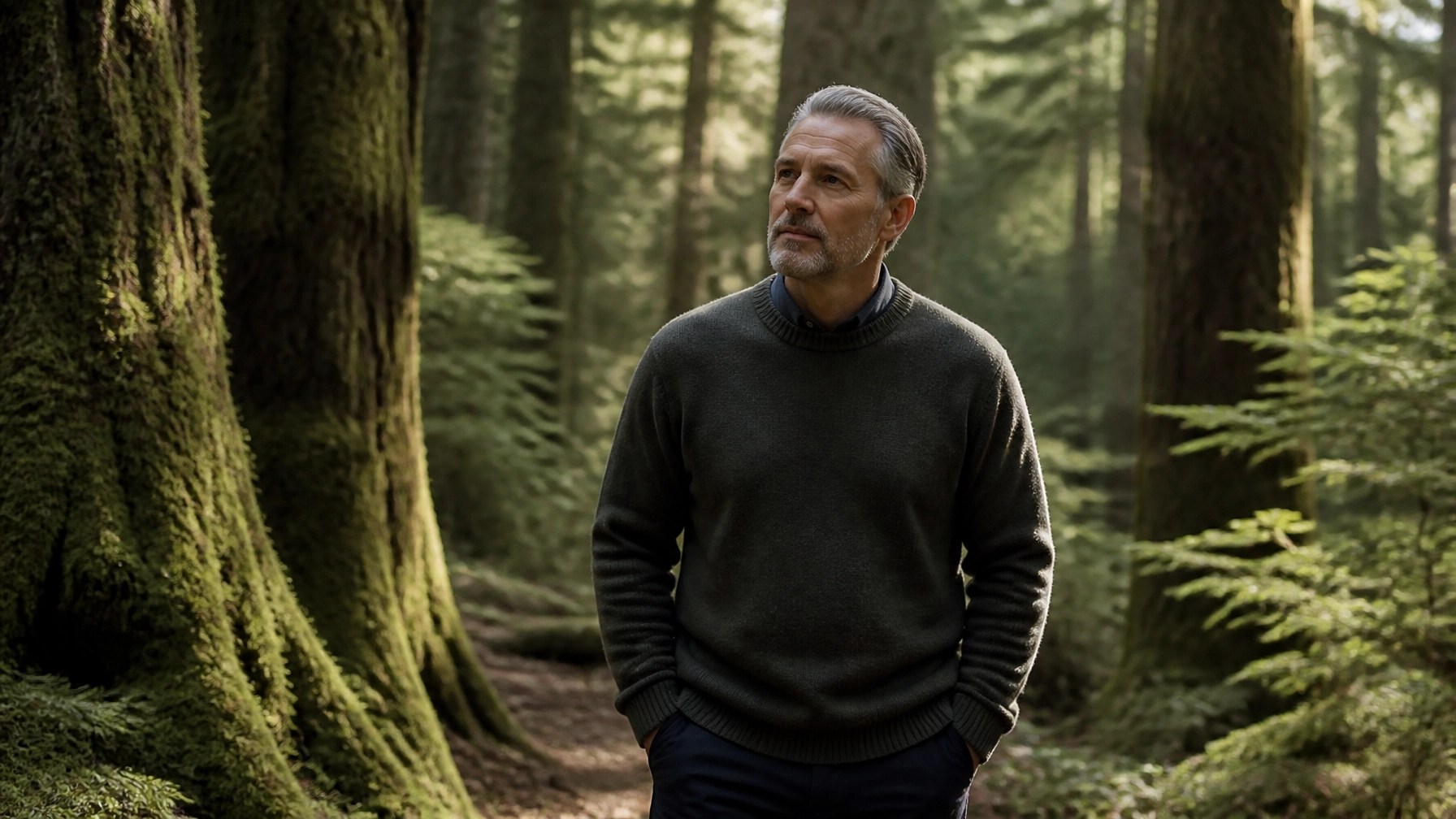
AI makes information abundant, but it makes human authority scarce.
We see it in every sector. A chatbot can offer a script for empathy, but it cannot offer the weight of a shared glance. A machine can calculate the risk of employee churn, but it cannot sit across from a grieving manager and let the silence stretch until it becomes a bridge.
Not [the illusion of connectivity], but [the reality of communion].
As leaders, we have been trained to prize expertise. We have been taught that to lead is to know. But in a world where the machine knows everything, the value of the "expert" is being recalibrated. The market is already beginning to crave something deeper. It is seeking the un-automatable qualities of judgment, sincerity, and presence.
At Charis Coaching Solutions, we have observed a consistent pattern among high-level executives. They are more productive than ever, yet they feel increasingly isolated. They are "connected" to thousands, yet they feel seen by no one.
This is the hidden cost of the digital age: we are trading our presence for our productivity.
We are trading our humanity for our throughput.
We are trading our souls for our systems.
Staying When the World Unravels

In the book, "The Suicide Conversation", the core message is not about finding the perfect phrase to save a life. It is about the brutal, beautiful act of staying. It is about refusing to let the darkness suck the air out of the room. It is about realizing that when someone is in the depths of despair, they do not need a lecture. They do not need a list of reasons to live.
They need you to not be afraid of their pain.
This principle is as true in the boardroom as it is in the hospital room. Leaders who cultivate the skill of presence are the ones who can navigate a team through a crisis without losing their trust. They are the ones who can stand in the middle of a corporate "unraveling": be it a market crash, a failed product launch, or a cultural fracture: and offer a grounded, steady hand.
We must learn to notice the "invitations" for connection. In the suicide conversation, these are clues: coded messages asking if it is safe to tell the truth. In business, these invitations are often buried in a sigh during a meeting, a sudden withdrawal from a top performer, or a sharp edge in a collaborator's voice.
The AI-proof leader sees these invitations. The AI-proof leader does not delegate the response to a survey.
The AI-proof leader stops. They listen. They stay.
Judgment Over Calculation

AI is a calculator; human presence is a compass.
The machine can tell you what is likely to happen based on the past. It cannot tell you what ought to happen based on your values. It cannot exercise moral courage. It cannot feel the weight of responsibility for the lives it affects.
Presence is the container for judgment.
When an executive is fully present, they are not just looking at a screen. They are looking at the eyes of their team. They are sensing the atmosphere of the room. They are weighing the unspoken fears and the unarticulated hopes of the people they serve.
This is what we call "mental hygiene" at Charis Coaching Solutions. It is the practice of clearing the internal clutter: the "noise" of modern pressure: so that we can see clearly. It is about staying grounded when life feels overwhelming.
To be an AI-proof leader is to move from being a "fixer" to being a "witness." It is the shift from providing a solution to providing a space.
It is the understanding that your presence matters more than your perfection.
Rhythms of Presence: Practical Takeaways
How do we cultivate this skill in a world designed to distract us? It requires more than a resolution; it requires a rhythm. It requires a set of habits that prioritize the human over the digital.
- The 5-Minute Threshold: Before every meeting, take sixty seconds of silence. Close your laptop. Put your phone face down. Breathe. Decide that for the next hour, there is nothing more important than the person in front of you.
- The Direct Question: Stop using "clinical shorthand" for human struggle. If someone is failing, don't ask about their KPIs first. Ask, "How are you really doing?" as taught in "The Suicide Conversation". Give them the permission to be honest.
- The Audit of Silence: Notice your reaction to silence in a conversation. Do you rush to fill it with "expertise"? Do you reach for your phone? Learn to let the silence stretch. Silence is not a void; it is a space where the truth can finally breathe.
- Presence Over Presentation: In high-stakes moments, trade the PowerPoint for a real conversation. Your team does not need more slides; they need to know that you are in the foxhole with them. They need to see your eyes, not your bullet points.
We have spent decades trying to make humans more like machines: more efficient, more predictable, more productive. We have failed. Now, the machine is more efficient than we could ever dream.
The path forward is not to compete with the machine on its terms. The path forward is to reclaim our own.
The Final Frontier

The world will only get louder. The algorithms will only get faster. The "noise" will only become more persuasive.
But the human heart will not change. We will still crave connection. We will still need to be seen. We will still look for leaders who can stay in the room when the lights go out.
The competitive advantage of the future belongs to those who have the courage to be quiet. It belongs to those who have the humility to listen. It belongs to those who realize that "holding space" is not a soft skill: it is the hardest and most valuable labor we can perform.
Look at your team today. Look at the person sitting across from you.
Are you there?
Or are you just another piece of the noise?
Your presence is the only thing the machine can never replicate. It is the only thing that can truly save a life. And in the new economy of attention and automation, it is the only thing that will make you truly indispensable.
For more resources on mental hygiene and human-centric leadership, visit davidwcarr.org. To learn more about navigating the deepest human crises with presence, explore the framework in The Suicide Conversation.
Leave a Reply