
The world is loud.
We live in a constant state of noise, a relentless hum of expectations, notifications, and the heavy weight of things we cannot control. We are tired. We are distracted. We are, far too often, quietly drowning in the shallow waters of our own busyness.
We feel the pressure to keep moving, to keep producing, and to keep pretending that the weight of the world is not crushing our capacity for peace. But underneath the surface, we are unraveling. Our minds race toward a future that hasn’t happened or linger in a past we cannot change. We are everywhere except where our feet are planted.
We have forgotten how to be here.
At Charis Coaching Solutions, we talk a lot about mental hygiene. Not as a luxury, but as a survival skill. We believe that resilience is not a gift for the few, but a practice for the many. It is the steady, quiet work of reclaiming your mind from the chaos.
And it starts with one simple, visceral trick.
We often think that finding peace requires a departure.
We think we must go on a retreat. We think we must quit our jobs. We think we must silence every voice around us before we can finally find our center.
Not a change of scenery, but a change of presence.
Grounding is not about escaping the storm; it is about learning to be the anchor within it. It is the act of refusing to be swept away by the current of your own racing thoughts. It is the decision to stop looking for a way out and start looking for a way in: into the present moment, into your own body, and into the reality of the now.
When we are untethered, we are useless to ourselves and to others. We cannot lead, we cannot mentor, and we certainly cannot offer the kind of life-saving presence discussed in The Suicide Conversation. To stay in the room with someone else’s pain, you must first learn how to stay in the room with your own.
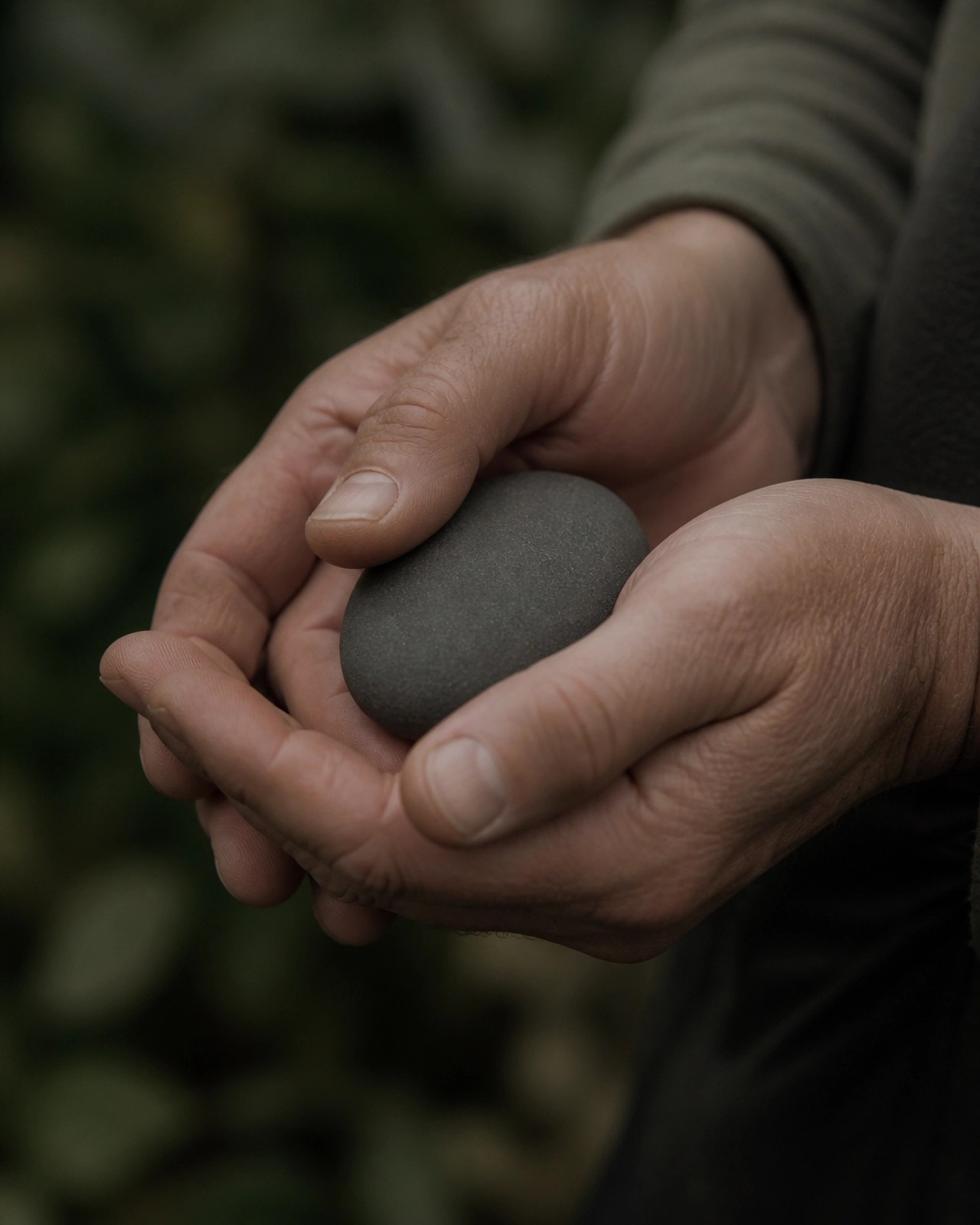
There is a simple rhythm we teach to help people regain their footing when the world feels like it is spinning. We call it Feet-Floor-Facts. It is not a complex psychological theory. It is a physical interruption of a mental spiral.
It is designed to be used in the middle of a heated meeting. It is designed to be used when you are standing in line at the grocery store and the panic starts to rise. It is designed to be used when you are sitting across from a friend who is hurting and you feel your own heart starting to close off.
1. Feet
Notice your feet. Do not just think about them; feel them. Wiggle your toes inside your shoes. Feel the weight of your body pressing down into your heels. Notice the temperature. Notice the sensation of the fabric against your skin.
We spend so much time in our heads that we forget we have bodies. Bringing your attention to your feet is the fastest way to signal to your nervous system that you are not in danger. You are here. You are solid. You are upright.
2. Floor
Notice the floor. Realize that the ground beneath you is holding you up without you having to do anything to deserve it. Feel the resistance of the wood, the tile, or the concrete.
The floor is a constant. The floor does not move. The floor is the physical evidence that you are supported. In a world that feels increasingly unstable, we need the reminder that there is something firm beneath us.
3. Facts
Name three undeniable facts about your immediate environment.
- I am sitting in a chair that is brown.
- The sun is coming through the window on my left.
- I am breathing.
Not your feelings, but your facts. Your feelings might tell you that everything is falling apart. Your facts tell you that you are in a room, in a chair, and you are safe for this breath.
We do not practice grounding only when we are in crisis.
We practice when we are calm. We practice when we are making coffee. We practice when we are walking to our cars. We build the muscle of presence so that when the heavy moments come, our bodies know exactly what to do.
This is part of the MH5 framework: the five pillars of mental hygiene that keep us grounded and clear. We notice the shift in our energy. We name what is happening. We regulate our bodies. We anchor ourselves in truth. And finally, we seek support.

We must understand that our "window of tolerance" is not a fixed thing. It expands when we take care of it. It shrinks when we ignore it. When we ignore our mental hygiene, we become brittle. We become reactive. We become the kind of people who look away when life gets difficult.
But when we are grounded, we can stay.
We can stay with the coworker who is underperforming because they are grieving. We can stay with the spouse who is struggling to find the words for their sadness. We can stay with the friend who is contemplating whether or not they want to stay in this world at all.
In The Suicide Conversation, we emphasize that you do not need to be an expert to save a life. You do not need a degree in psychology to be a light in someone else's darkness.
You need to be there.
But you cannot be there if you are lost in your own anxiety. You cannot be there if your mind is a thousand miles away, worrying about tomorrow's deadlines. You cannot be there if you are not grounded in your own reality.
Grounding is an act of love. It is the preparation we do so that we can be a safe harbor for others. When you learn to stay grounded, you are not just improving your own mental health; you are becoming a more reliable human being for the people who need you most.
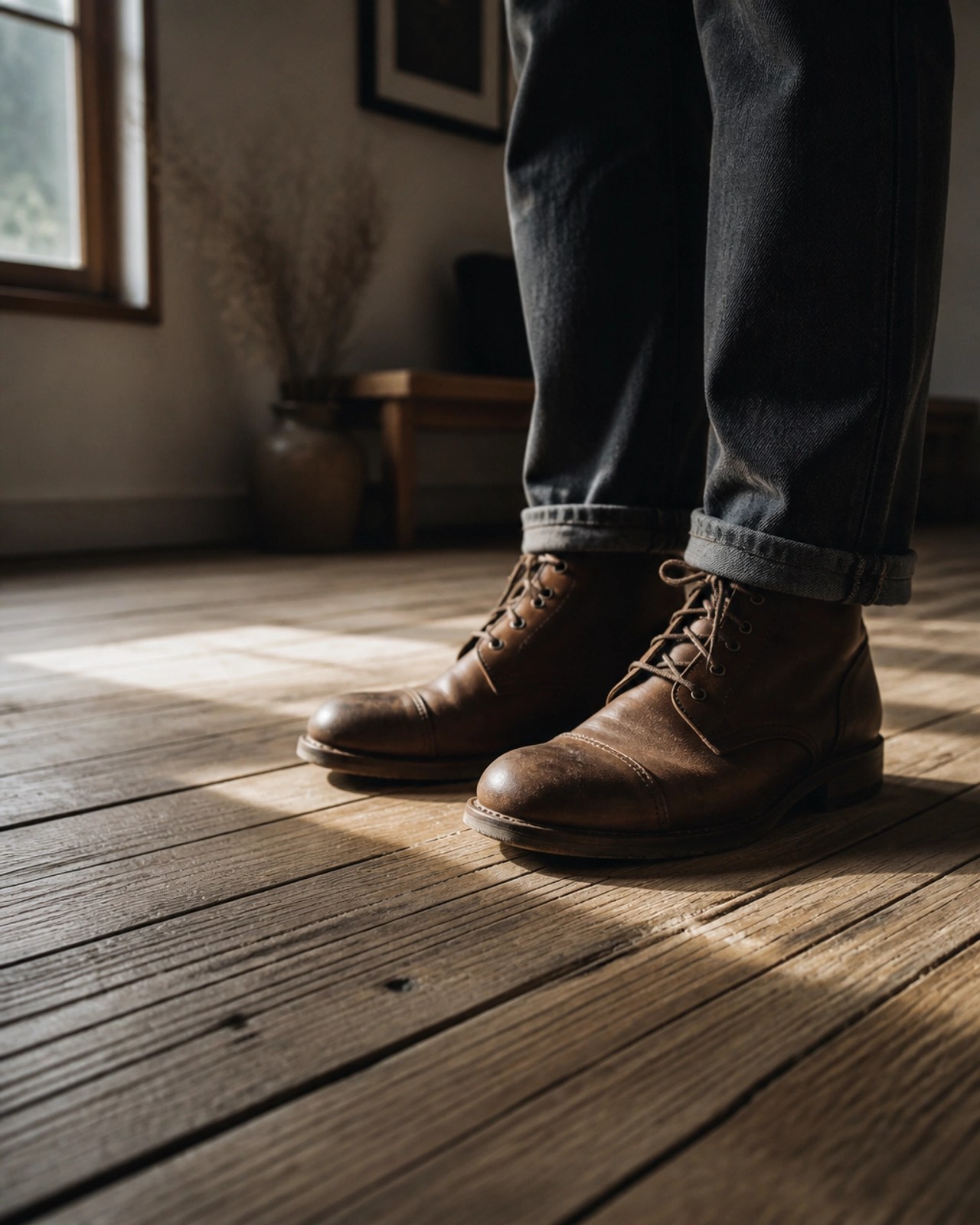
It is easy to dismiss a simple trick like Feet-Floor-Facts as "too basic."
We want complicated solutions for our complicated problems. We want a pill, a program, or a profound revelation that changes everything overnight.
Not complexity, but consistency.
The discipline of noticing: noticing your breath, noticing your feet, noticing the facts: is what builds the foundation for long-term emotional clarity. It is the "stewardship" of the soul. It is the recognition that you are a human being with limits, and that those limits are not a sign of weakness, but a call to wisdom.
We invite you to try it right now. Wherever you are reading this.
Stop.
Notice your feet.
Feel the floor.
State a fact.
The world will still be loud when you finish. The problems will still be there. But you will be here. And "here" is the only place where anything can actually change.

We are all carrying things that are too heavy for us. We are all trying to navigate a world that feels like it was designed to keep us disconnected and distracted.
But we don't have to carry it alone. And we don't have to carry it all at once.
The next time you feel yourself starting to drift, the next time the noise feels like it might drown you out, remember that you have an anchor. It is as close as the ground beneath your feet.
Learn to stay. Learn to be here. Because the people in your life don't need you to be perfect. They just need you to be present.
If you want to dive deeper into how to build these rhythms of resilience and presence, I encourage you to explore the resources we've built for you. Whether it's through our articles or the practical tools found in The Suicide Conversation, the goal is the same: to help you find the clarity you need to connect with the people who matter most.
Look around you today. Who is struggling to stay grounded? And how can your own steady presence be the thing that helps them find their footing again?
Leave a Reply